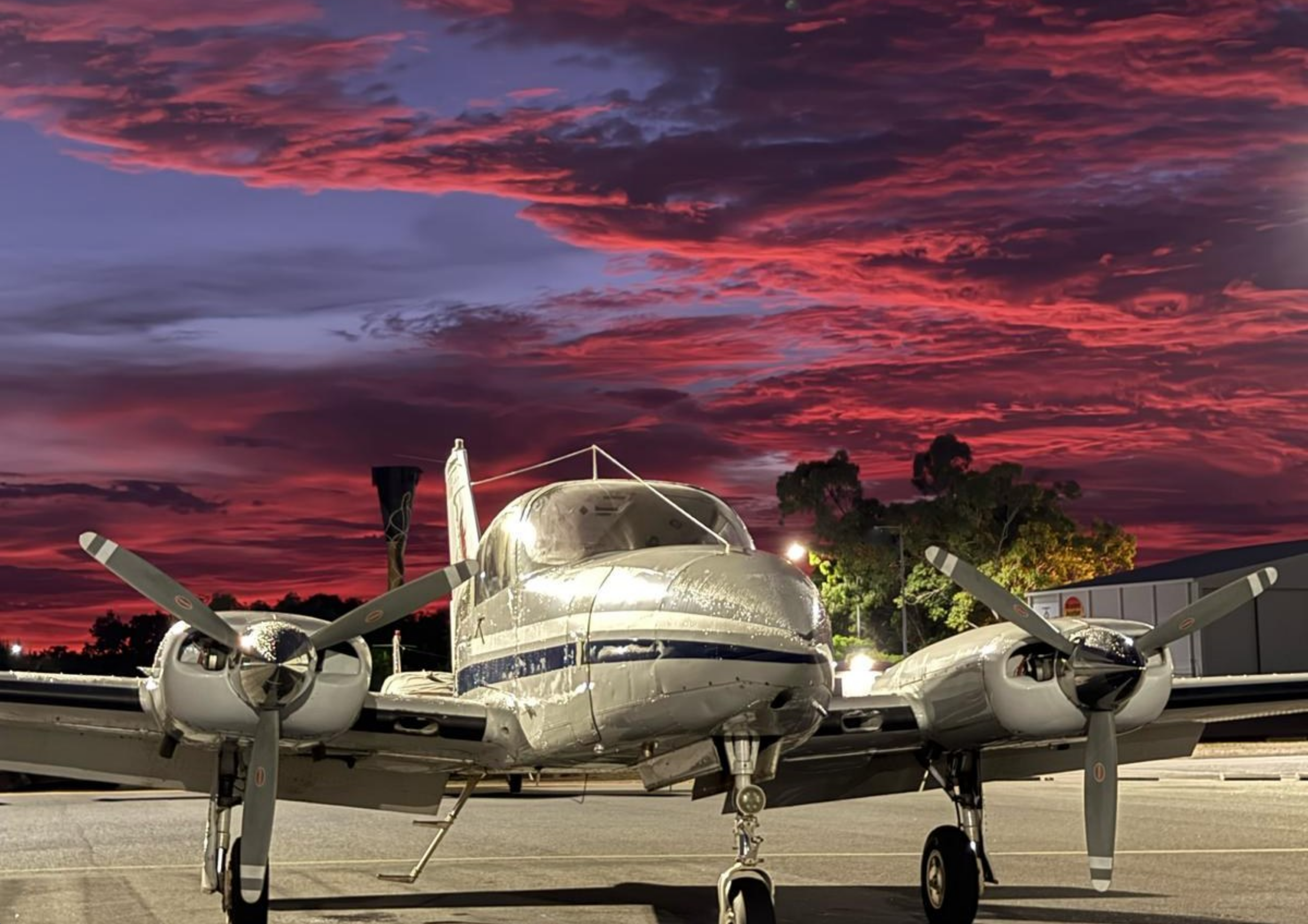
Kakadu National Park spans 20,000 square kilometres of wilderness in the Northern Territory and is a living cultural landscape and UNESCO World Heritage site. Co-managed by its Aboriginal traditional owners and the Australian government, Kakadu is rich in natural values, cultural significance and history that goes back tens of thousands of years.
From Jim Jim Falls and Twin Falls to Yellow Water Billabong and Nourlangie Rock, Kakadu is more than just a beautiful landscape – it’s a journey into the heart of Aboriginal life, ancient archaeological sites and an ecosystem teeming with wildlife, including Saltwater Crocodiles, migratory birds and exotic wildlife. But before you head out to explore this intact landscape, many visitors wonder: How much does it cost to get into Kakadu National Park?
Kakadu National Park Entry Fee
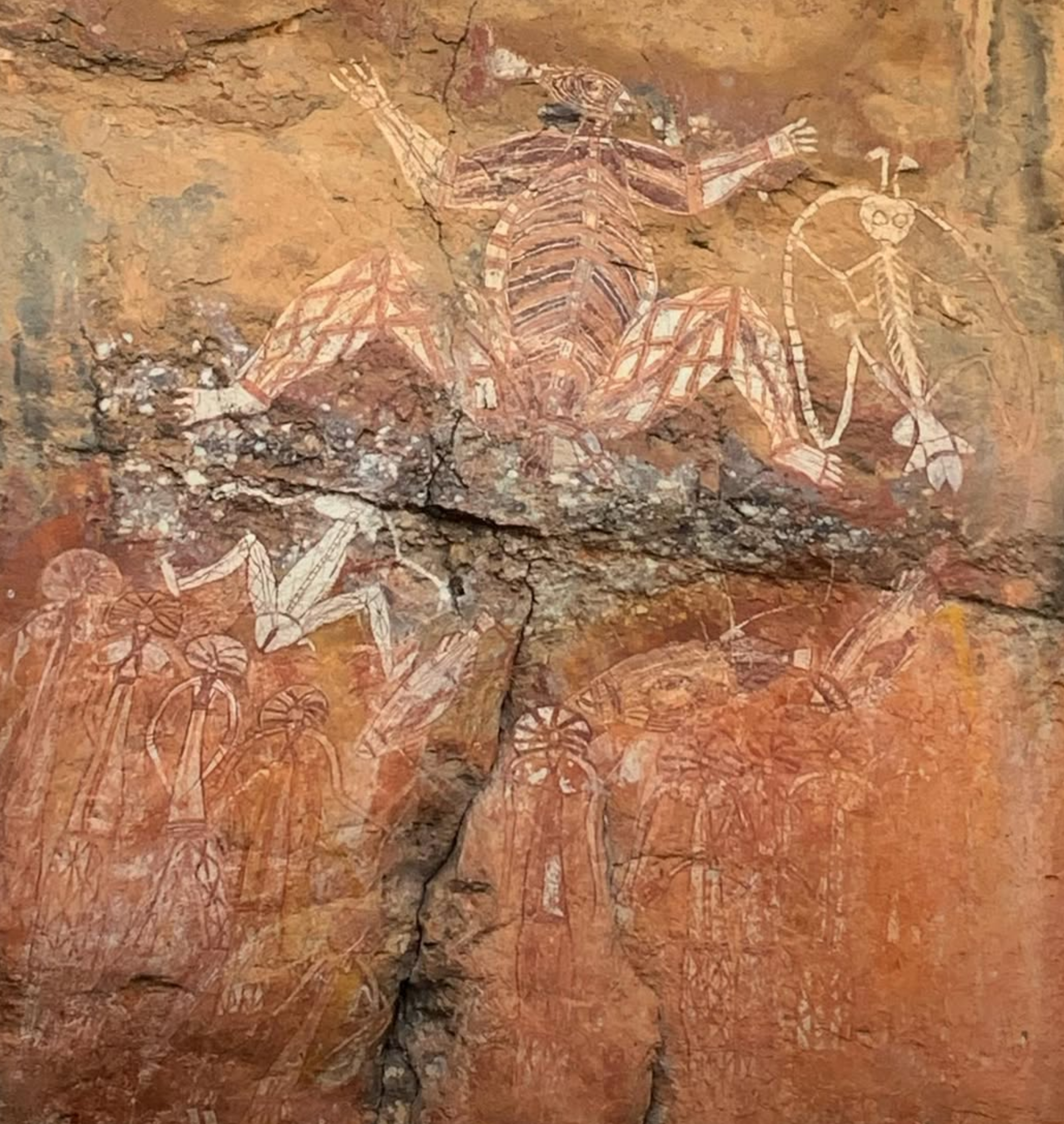
As of 2025, a Kakadu park pass is required to enter and explore this sacred land full of cultural sites, ancient rock art, lush rainforest, and marine life and land animals.
Entry Fees
- Adults (16+ years): $40 (Dry Season: May 15 – Oct 31) | $25 (Wet Season: Nov 1 – May 14)
- Children (under 16): Free
- Concession: $30 (Dry) | $19 (Wet)
- Family Pass: $100 (Dry) | $65 (Wet)
Your pass is valid for 7 days (with a free extension to 14 days), covering access to major attractions such as Maguk Falls, Gunlom Falls, Motor Car Falls, and Barramundi Gorge.
Note: Prices are subject to change. Always check the official Kakadu National Park website before visiting.
Buy a Park Pass
You can buy your park pass at:
- The Parks Australia website (best for convenience)
- Bowali Visitor Centre near Jabiru – a key information hub staffed by local Centre staff
- Accredited Holiday Parks, campsites, and tour operators throughout the region
Many cultural centres, such as the Warradjan Cultural Centre, also provide information and interpretive displays about Aboriginal art sites, Aboriginal language, and examples of contact with European explorers.
Why You Need a Park Pass
Your pass isn’t just an entry ticket—it supports the Indigenous people and park rangers who maintain this Aboriginal land. It helps:
- Protect sacred sites and Aboriginal rock painting
- Preserve the ancient landscape and its cultural values
- Control invasive species, feral animals, and environmental threats
- Fund interpretive signage, centre staff, and conservation initiatives
The park also represents one of the few places where European contact and Aboriginal majority culture exist side by side, making it a place of deep connection to the land.
Visiting Kakadu: Is It Worth the Entry Fee?
Kakadu is not just a holiday—it’s an experience in one of the world’s most spiritual and ecological hotspots.

With your park pass, you can:
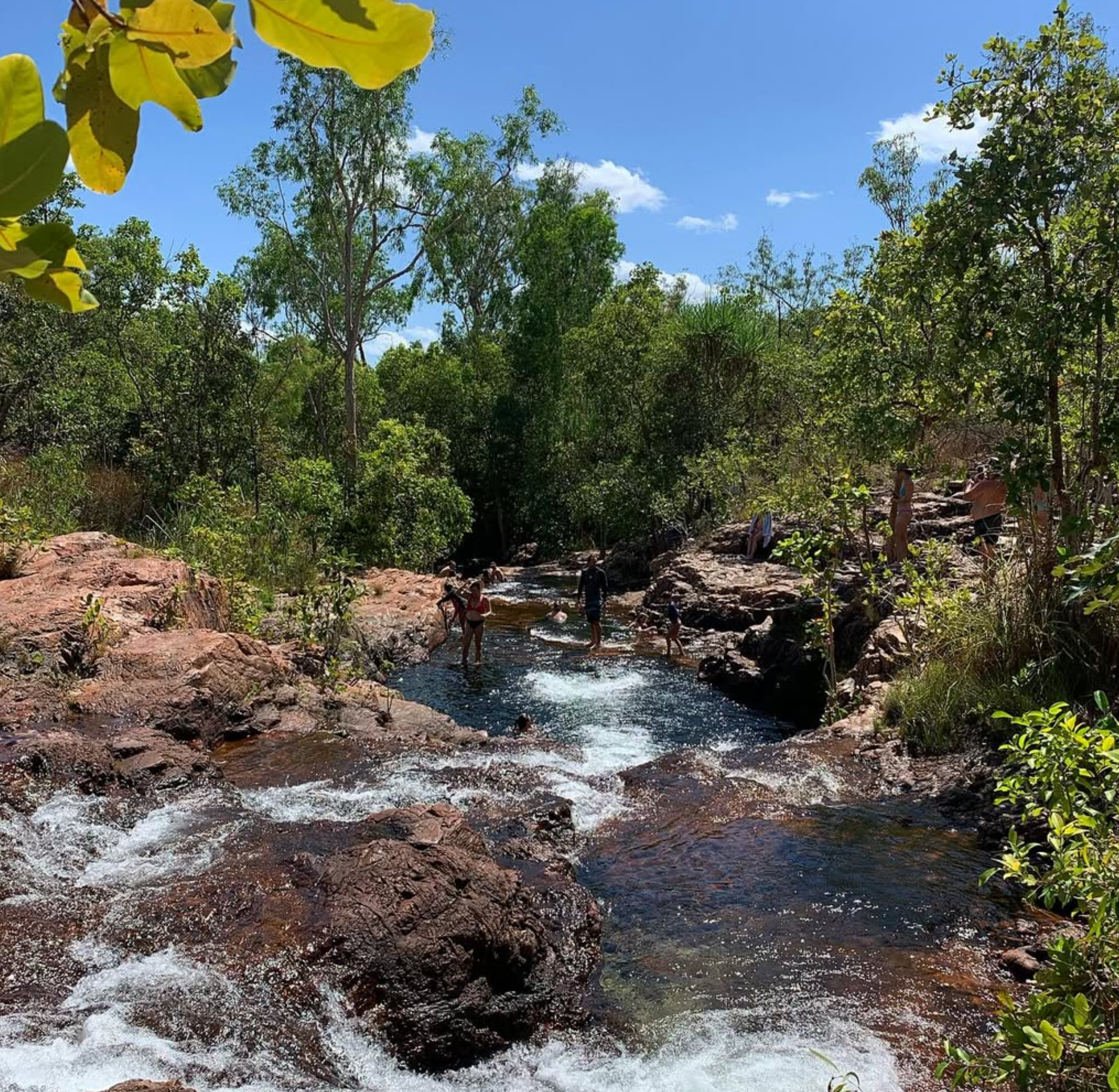
- Swim in natural infinity pools at Gunlom and Maguk Gorge
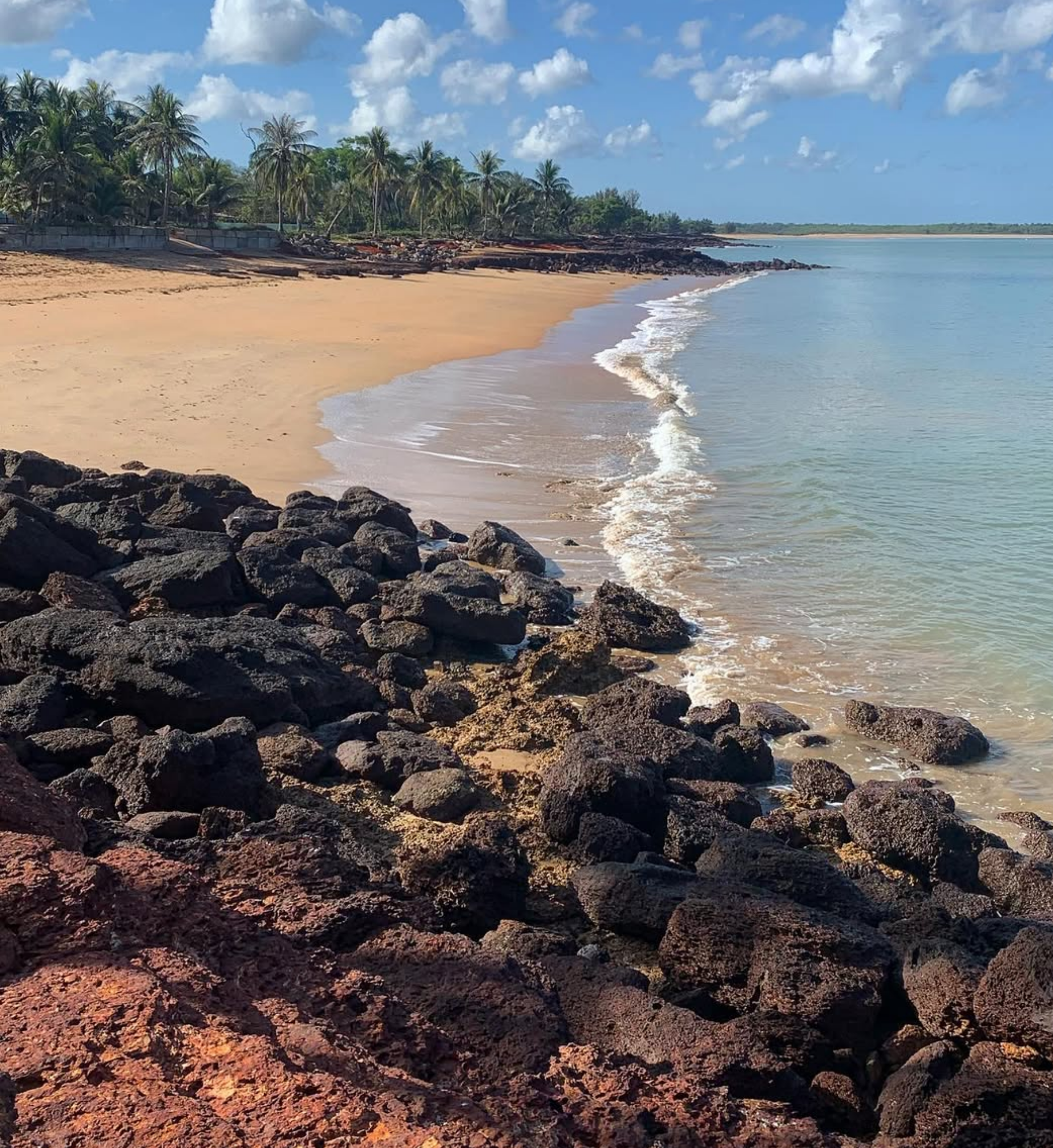
- See Asian water buffalo near grasslands and tide flats
- Cruise Yellow Water to see crocodile hunting, Aboriginal art and the famous crocodile head rock
- Walk across flat rocks and take in views of Jim Jim Creek
- Listen to elder stories at cultural centres
- Hike to Twin Falls and across the land escarpment of Arnhem Land
If you’re short on time, booking a Kakadu day tour is a great way to see the highlights, including Nourlangie Rock, Yellow Water and Aboriginal cultural sites in one day.
Many people staying in Darwin choose from a range of Darwin day tours or day trips to Kakadu, so you don’t need to commit to multiple days.
Extra Costs to Consider
Your entry fee doesn’t cover everything. Make sure to budget for:
- 4WD hire – necessary for rough terrain like Jim Jim Falls or Cahills Crossing
- Camping or accommodation – options range from Holiday Parks to bush camps and eco-lodges
- Tours – like Yellow Water cruises or Aboriginal cultural experiences
- Fuel – if you’re driving hundreds of kilometres
- Supplies – especially food and water (limited shops inside the park)
Also, be aware of crocodile warning signs – some swimming areas may be closed seasonally due to Saltwater Crocodiles.
If you’re not driving yourself, joining a fully guided Kakadu Tour from Darwin can save you time and hassle, often including transport, meals, entry fees and expert knowledge of Aboriginal land and the park’s natural values.
Tips for Visiting Kakadu on a Budget
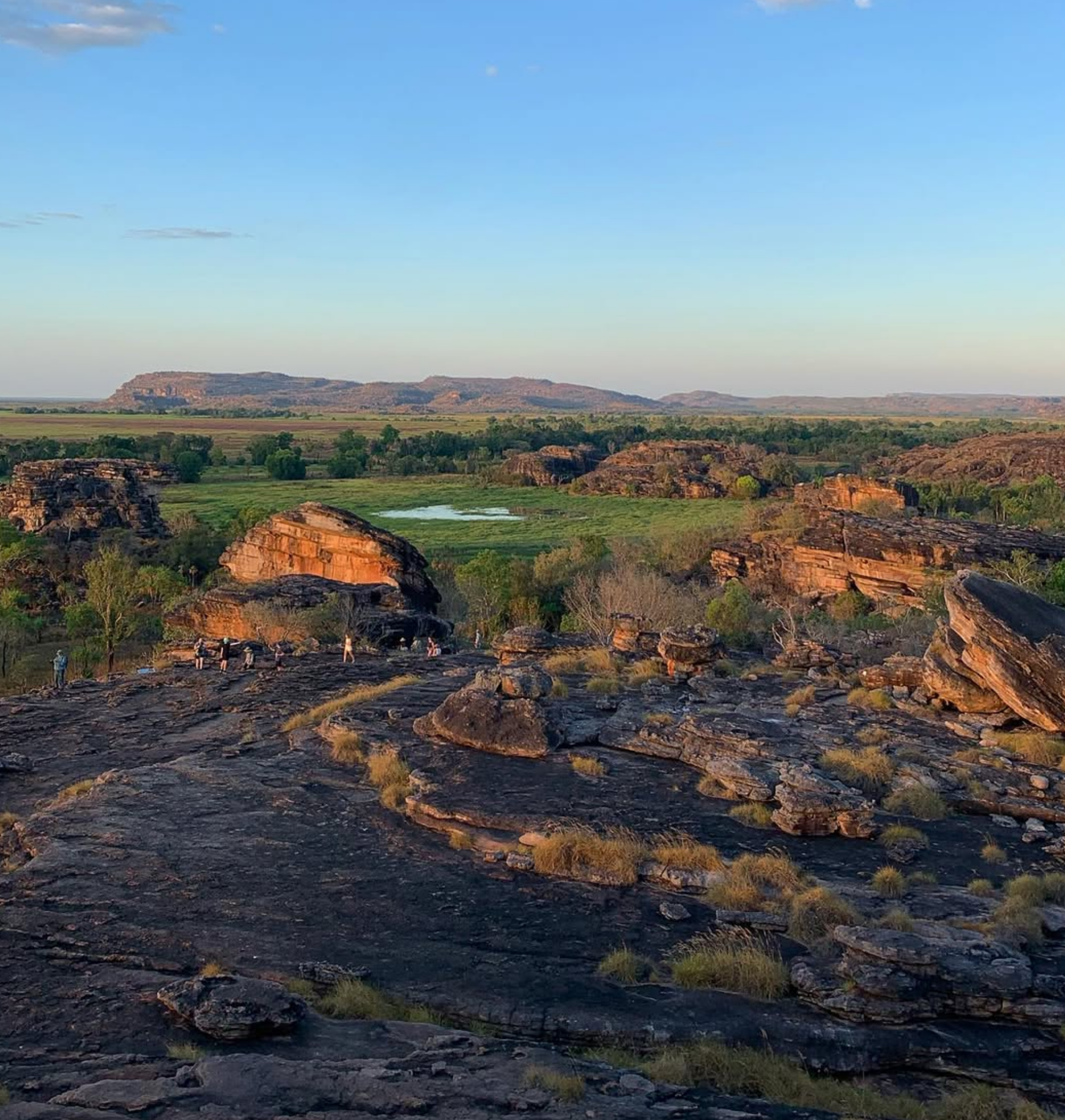
- Wet Season – Save on entry fees and see waterfalls in full flow.
- Free or low-cost camping – Bring your own gear for an outback experience.
- Fly into Darwin International Airport – The closest hub with car hire access via the Access Road.
- Self-drive and plan ahead – Limit extra transport costs by sticking to main roads.
- Join free ranger talks – Learn about Aboriginal culture, wildlife and park history.
Conclusion
So how much does it cost to get into Kakadu National Park? For most adults, it’s $25–$40 – a small price to pay for a place so rich in culture, nature and biodiversity.
From the monsoon forest of Jim Jim to the ancient stories on Nourlangie Rock, Kakadu offers more than scenery – it offers a connection to land and history that goes back tens of thousands of years before European settlement. Whether you’re flying in via Darwin Airport, driving from Pine Creek or joining one of the many great Kakadu tours or day trips Darwin to Kakadu is worth every dollar.
FAQ
Do I need a Kakadu pass to just drive through?
Yes. Even if you’re not stopping at attractions, you need a pass to enter Aboriginal land.
How long is the pass valid for?
Your pass is valid for 7 days with a free 14-day extension.
Can I buy the pass at Darwin International Airport?
No, but you can buy online before you arrive or at the Bowali Visitor Centre once you’re in the park.
Is Kakadu accessible without a 4WD?
Some areas like Jim Jim Falls, Maguk and Motor Car Falls require 4WD. Others, like Yellow Water, Nourlangie and Bowali are accessible by normal vehicle in the dry season.
Who manages Kakadu National Park?
Bininj/Mungguy and Australian Government jointly managed with rangers, scientists and cultural advisors.