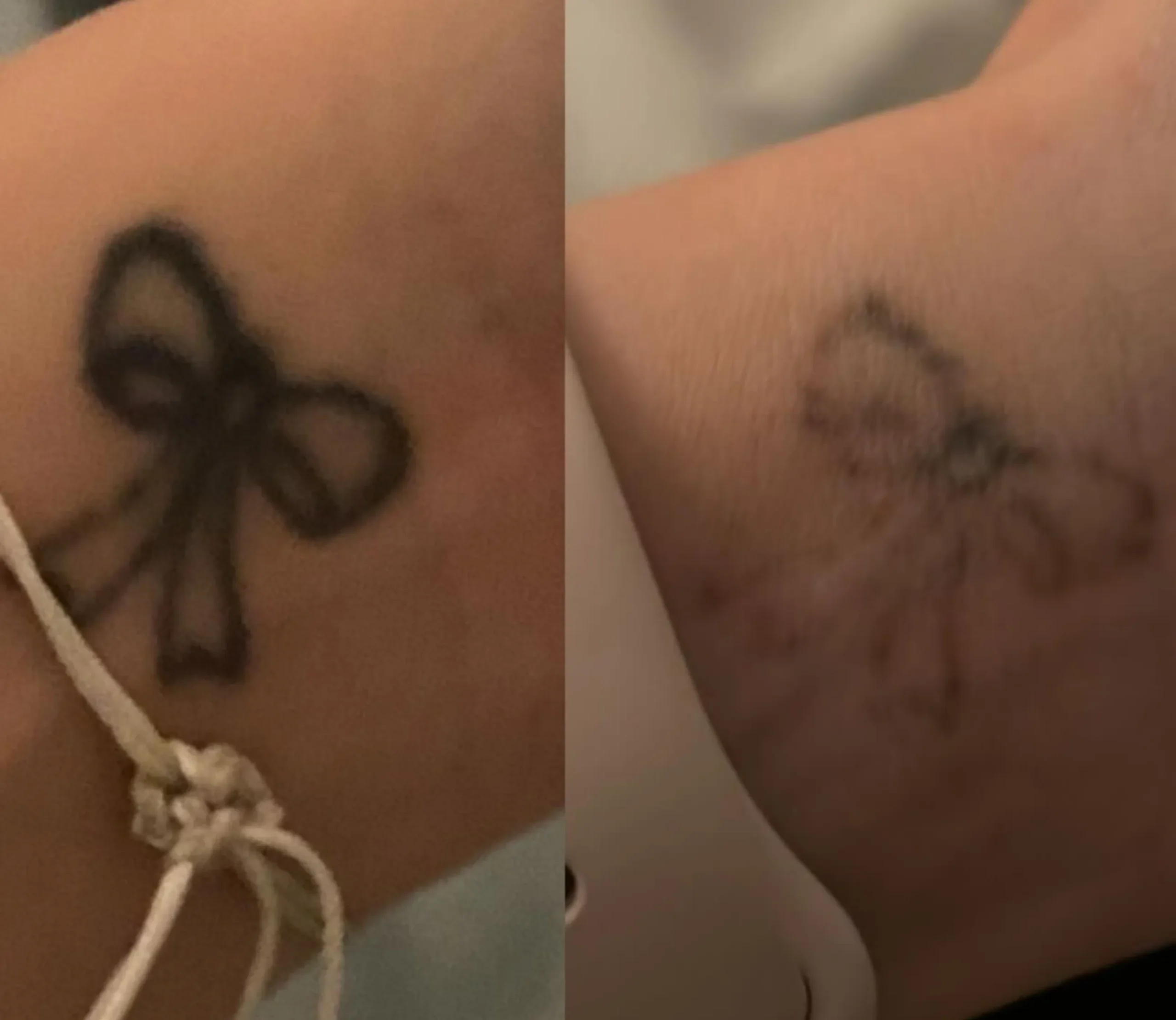
The question, “Can you have tattoo removal in the summer?” always seems to land in my inbox as soon as Melbourne’s UV rays start making an appearance and everyone starts planning beach trips and rooftop barbecues. I’m Olha Po, and if you’re looking into tattoo removal in Melbourne with me, the good news is that you absolutely can start treatment in summer — you just need to pay closer attention to sun protection, follow your aftercare carefully, and have a clear healing plan in place.
In my studio, Face Figurati, summer treatments are completely normal. We simply adjust aftercare routines, stay mindful of sun exposure, and adapt your lifestyle around heat, UV levels, and water activities.
Why Summer Removal Is Still Safe
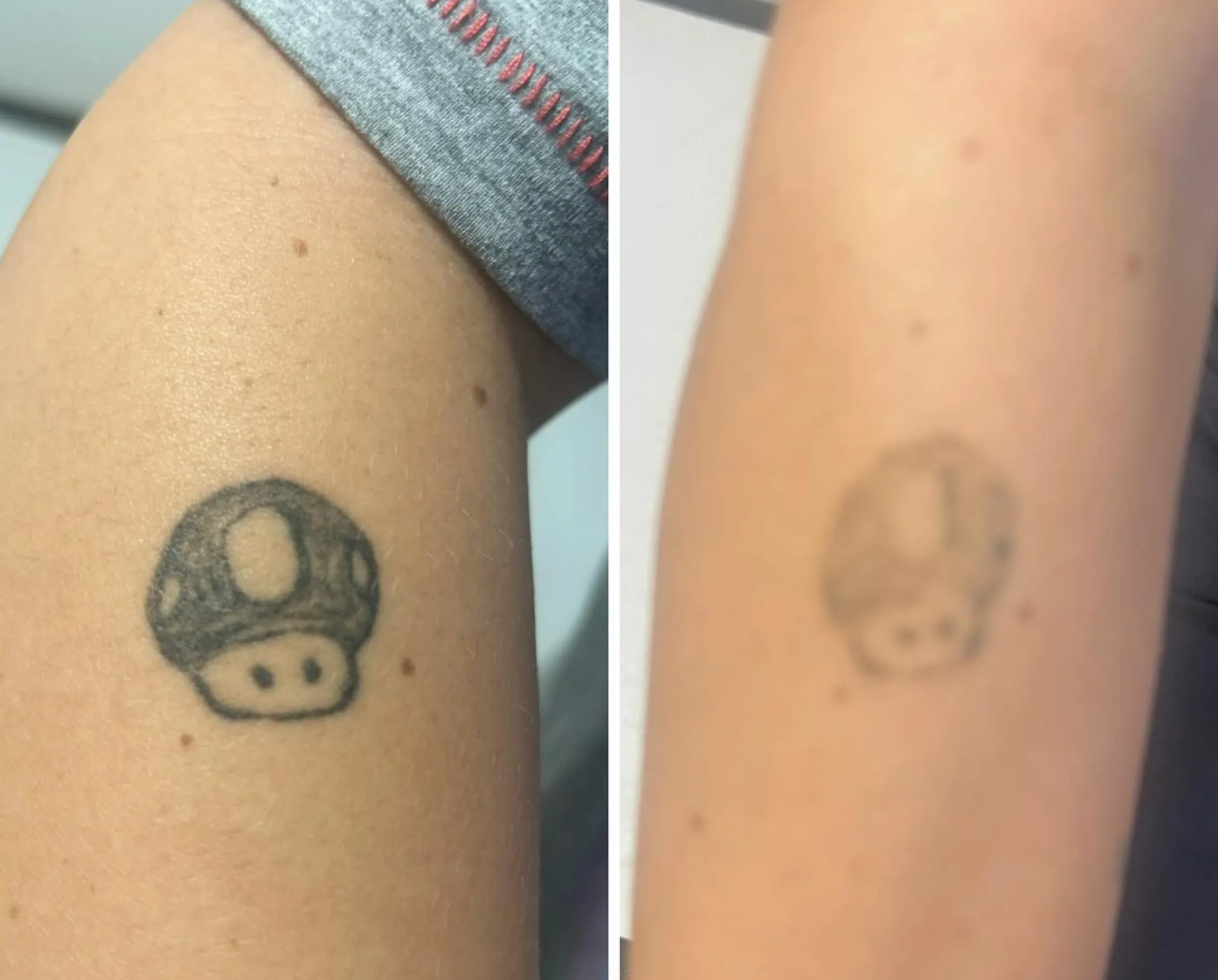
When working with lasers, melanin levels and UV radiation are key considerations. At Cosmetic Tattoo Melbourne, clients often ask if they should pause treatments over summer — and the answer is no. With careful skin management and proper aftercare, you can safely continue treatments, provided you commit to SPF 50+ and sensible sun habits.
How Sun Exposure Influences Results
Laser tattoo removal works by delivering targeted energy to break up ink particles. For the laser to work safely, there must be clear contrast between your natural skin tone and the tattoo pigment. Excessive UV exposure, fresh tans, or irritated skin can reduce that contrast and affect treatment safety.
3 Risks to Watch
- Tanning or tanning beds increase melanin and raise the risk of post-inflammatory hyperpigmentation.
- Sunburn can delay healing and make treatment unsafe.
- Water activities before full healing can slow recovery.
These risks are manageable with practical sun care and awareness.
Melbourne’s UV Reality
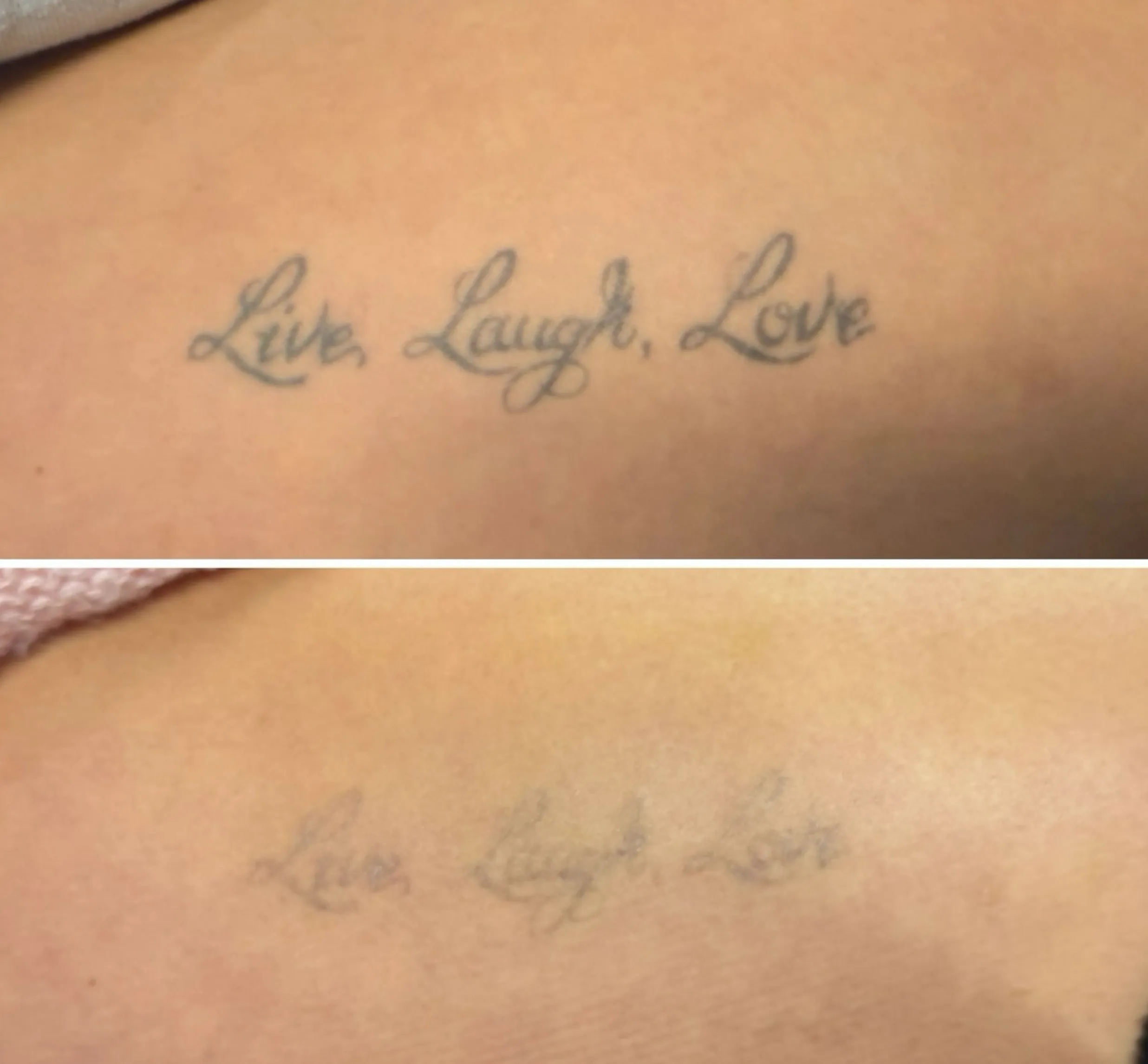
Melbourne’s UV levels climb quickly in summer, even on cloudy days. For cheap tattoo removal wit Melbourne artist Olha Po, this means:
- Increased skin sensitivity due to higher melanin levels
- Heat and UV potentially slowing the healing process
- Greater chance of pigmentation changes if skin is already compromised
With proper preparation and aftercare, results remain consistent and safe.
How We Maintain Safety During Summer Sessions
At Face Figurati, safety comes first. Before booking, we discuss your skin tone, how your skin responds to laser energy, and your summer plans — including swimming, gym sessions, and outdoor activities. This allows me to tailor a treatment plan that keeps your skin protected and your removal on track.
My Must-Haves
- Daily use of SPF 50+, preferably waterproof
- No sunbathing or tanning beds
- Covering the area with protective clothing or barriers
- Avoiding hot environments for a few days post-treatment
If maintaining these habits feels tricky, we can adjust appointment timing or space sessions further apart. A free consultation is always available.
Treatment Timeline: What To Expect In Summer
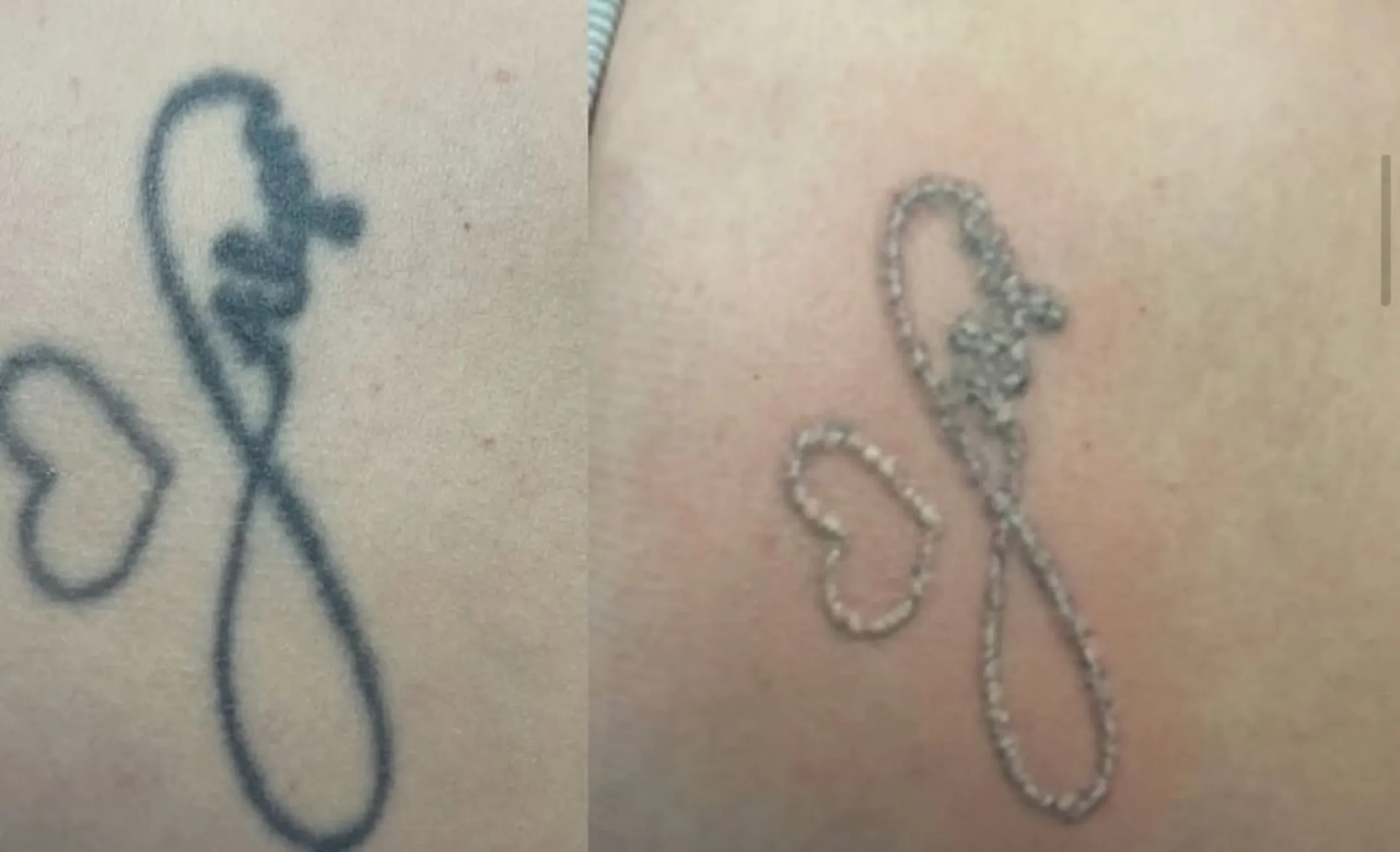
During summer, mild increases in swelling are common due to heat-related skin sensitivity. This is a normal immune response and not a cause for concern.
Summer vs Winter Healing Comparison
| Stage | Winter Healing | Summer Healing |
|---|---|---|
| Redness | 1–2 hours | 2–6 hours |
| Swelling | Minimal | Mild increase |
| Scabbing/Frosting | 2–4 days | 2–4 days |
| Lightening | 2–8 weeks | 2–8 weeks |
| Next Session | 6–10 weeks | 6–10 weeks |
Melbourne’s unpredictable weather can affect skin appearance, but recovery typically stays within these ranges unless there has been excessive UV exposure.
Real Client Story
One of our regulars came to us with a noticeable brow tattoo that was looking rough due to a high titanium dioxide content. She’d been getting out to the weekend markets, but nothing too out of the ordinary – just enough to make her skin tone look all uneven. We bumped her appointment back by a fortnight, gave her a Vitamin E ointment routine to follow at home and – voila! – She healed up beautifully after her next treatment.
On the other hand, we had a tradesman who wanted to cover up a faded tattoo. We worked around his outdoor work schedule by having him wear protective clothing, use the right SPF, and stick to a pretty strict aftercare routine. He diligently followed all the guidelines, and his progress was, as we say, textbook-perfect.
So what’s the take-home message here? Summer isn’t the problem; it’s just the inconsistency in people’s approaches that tends to cause issues.
Prepping For Treatment
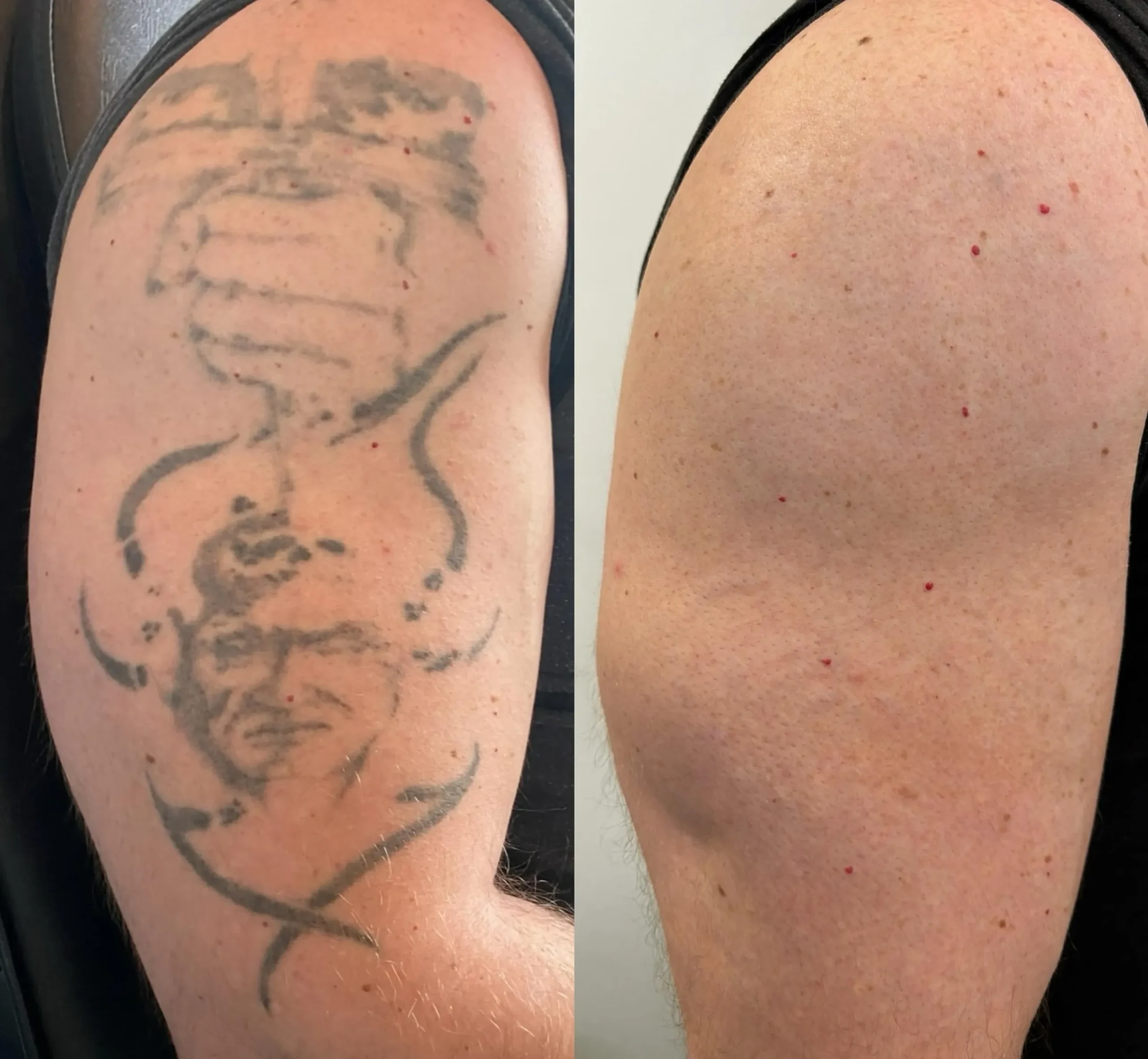
Preparing properly really is key – especially when the sun is out, the UV rays are stronger, and everyone’s spending more time outdoors. Doing the right things beforehand can make all the difference in preventing complications.
Get Ready Two Weeks Prior
- Give tanning beds and sunbathing a miss for the time being.
- Get into the habit of using SPF 50+ every day.
- Keep your skin hydrated – it’ll really help with sensitivity.
Treatment Day Essentials
- Make sure you come in with clean, dry skin.
- No moisturiser on the day of treatment – they can actually block the laser from doing its thing.
- Try to keep your cool beforehand (so skip the gym today).
After Treatment – It’s All About Aftercare
- Slather on your Vitamin E ointment or whatever healing cream your practitioner recommends.
- No getting in the pool, spa or ocean for a bit – that’s just asking for trouble.
- Keep the tattoo covered up when you go outside.
- Don’t get tempted to pick or rub at the area – it’s really hard, I know, but it’s just not worth it.
Your body is still doing most of the heavy lifting when it comes to breaking down ink, but if you look after your skin, you should find the process speeds up.
Does Heat Affect Laser Efficiency?
It’s not the laser that changes with the seasons – that thing’s just as precise year-round, no matter what. What does change is the state of your skin – all that extra melanin and UV exposure can make things a bit trickier for your practitioner.
But the good news is that your certified laser specialist can just adjust the settings – your skin tone dictates how strong each pass can be, so as long as you’re taking care of yourself, everything should be fine.
Scheduling And Costs
Summer doesn’t mean you’ll be paying more for laser removal – but it can be a bit of a worry if you do get caught out with sunburn, or if you end up doing a bit more tanning than you expected.
It can actually increase the number of sessions you need, but we’re pretty flexible with our appointment times, so you can still stay on track without too much disruption.
My Professional Verdict
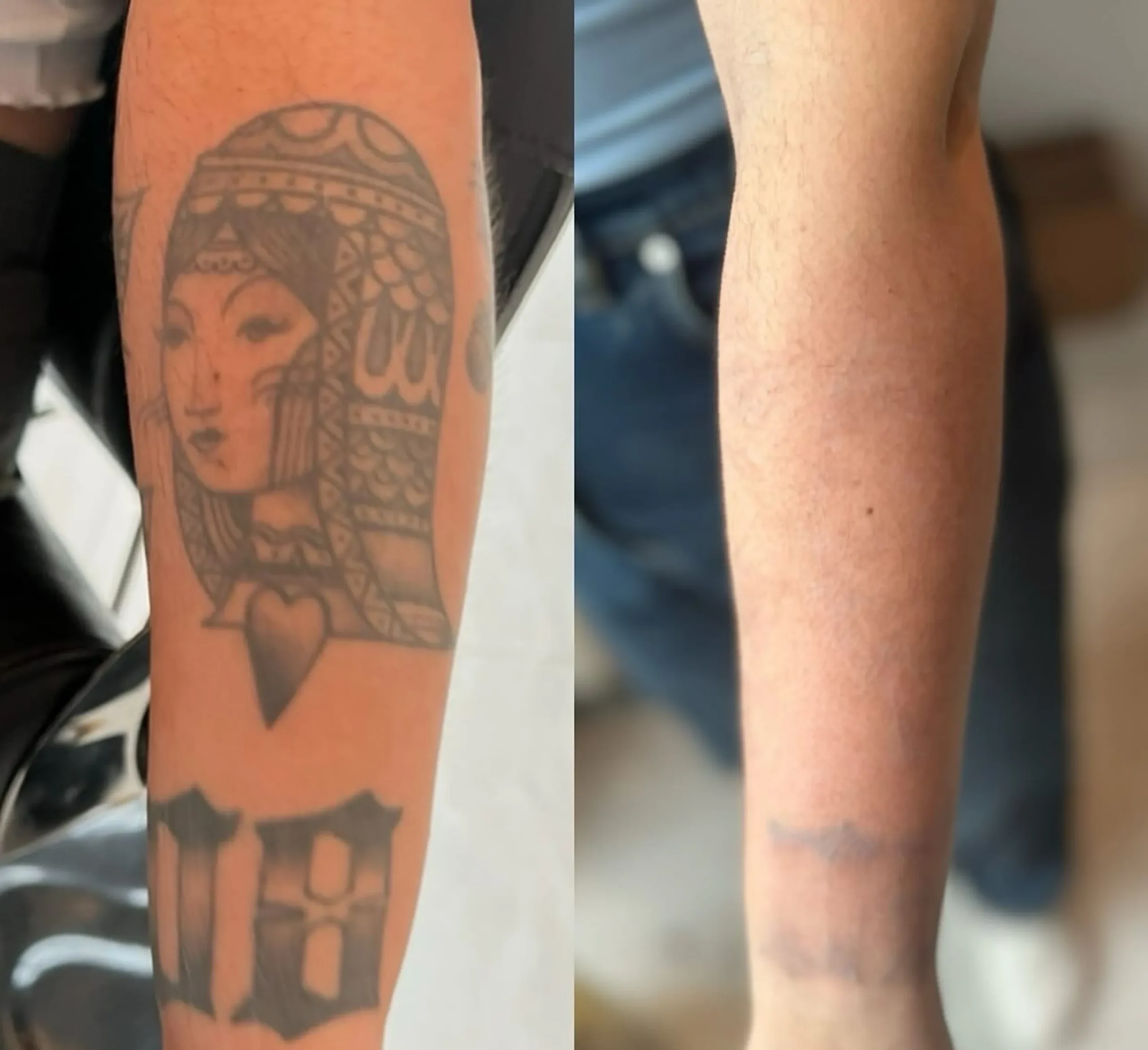
After nearly a decade as a fully qualified laser specialist in Melbourne, I can honestly say – absolutely yes, you can get laser tattoo removal done in the summer – but it does come with a few simple conditions. You’ve just got to be on top of your sun protection game, be reasonable about going out in the sun, and keep me in the loop about your daily life.
If you stick to the guidelines, you’ll get the same results as you would in winter – and your skin will be just as safe.
FAQ
Will UV rays damage the skin after laser removal?
The short answer is, no, not if you take care of it. Just slap on some SPF 50+ and keep the area covered for the first week or so.
Can I still go swimming or do water activities?
Sorry, not until that skin has fully healed – usually around 7 to 10 days.
What if I tan between sessions?
It’s probably best we adjust the settings or put the treatment on hold for a bit to ensure your safety.
Is summer laser tattoo removal riskier for darker skin tones?
Honestly, every skin tone can be treated safely – as long as you avoid UV exposure and keep heat-based irritation at bay.
Can the laser cause skin cancer?
No, laser systems used for tattoo removal don’t cause skin cancer. The real risk is if you don’t look after your skin after the treatment.